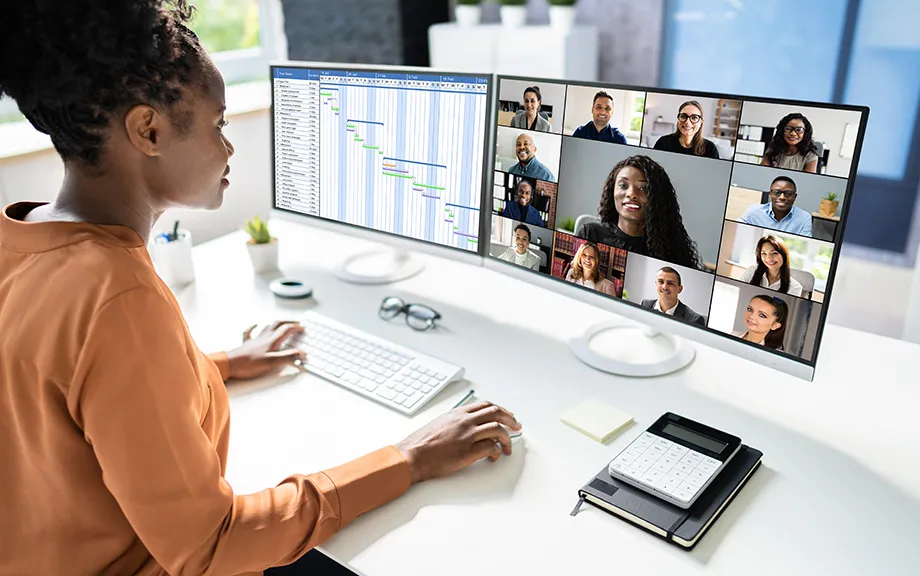
Remote work functions as a standard work system which now operates in numerous industries after it has evolved from its previous status as a temporary work arrangement. Companies throughout the world hire remote workers more than they ever did before which applies to both new businesses and established international corporations.
Home-based work provides flexibility to employees yet it creates additional requirements which they need to meet. The employees who wish to achieve success in remote positions must learn about the actual requirements that employers seek to fulfill during the current hiring process.
Virtual work environments require employees to demonstrate their work abilities through their actual work performance and their communication skills and their ability to produce results.
The professional environment of today requires remote workers to develop essential skills which employers consider necessary for their job performance. The professional environment of today requires remote workers to develop essential skills which employers consider necessary for their job performance.
The professional environment of today requires remote workers to develop essential skills which employers consider necessary for their job performance. The professional environment of today requires remote workers to develop essential skills which employers consider necessary for their job performance.
The remote work environment requires all employees to maintain constant contact with their team members because communication serves as the essential component of their work process. Employers expect their workers to provide clear and regular updates because face-to-face communication does not exist in remote working environments.
The requirement includes providing progress updates with timely message responses and ensuring that your concepts reach complete understanding. Effective communication which includes email and chat application and video conferencing establishes essential channels for team members to maintain their work relationships and their efficiency.
Self-Discipline and Time Management
Remote work provides employees with significant control over their work yet this independence creates difficulties. Employers want employees who possess the ability to control their work activities while they function independently from their supervisors. The requirement includes providing progress updates with timely message responses and ensuring that your concepts reach complete understanding. The remote worker who maintains an organized work schedule throughout his entire workday stands as a more important team member than the remote worker who encounters difficulties in maintaining concentration.
Accountability and Ownership
The ability to take ownership of their work and fulfill their obligations makes remote workers valuable to their employers. The responsibilities of your position require you to complete work on schedule while maintaining consistency in your performance. You should demonstrate your capacity to take initiative by completing responsibilities without waiting for specific instructions. The development of accountability creates trust which serves as the foundation for effective remote work operations.
Strong Digital and Technical Skills
The operation of remote work requires effective technological systems. The capacity to use video conferencing tools together with project management software and cloud systems constitutes an essential requirement for employees. The ability to solve basic technical problems represents an essential requirement. You need to handle small technical problems on your own without requiring assistance at all times. A Results-Driven Mindset Remote work settings measure employee performance through work outcomes instead of monitoring their hours spent at the office. Employers care about what you achieve, not just how long you stay online. The requirement to deliver work results within designated standards needs you to achieve your goals while maintaining high work quality. Your ability to deliver excellent work will position you as an employee who provides exceptional value to remote work environments.
Adaptability and Willingness to Learn
The remote work environment is constant because new systems and tools enter the workplace. The introduction of new systems and tools and new operational procedures occurs on a frequent basis. Employers expect you to adapt quickly and be open to learning new skills. Your commitment to your career progress becomes evident through your efforts to acquire new knowledge and skills which you use to improve your current abilities.
Collaboration and Team Engagement
Your remote work situation does not diminish your status as a team member. Employers seek employees who contribute to meetings through active participation while sharing their ideas and working together with their colleagues. The process of engagement creates stronger connections between people which leads to shared objectives between them.
Emotional Intelligence and Professionalism
Remote work needs complete dedication to professional conduct. The majority of communication happens through written text which makes it essential to grasp both tone and contextual information. Employees must show their coworkers respect while maintaining patience and understanding emotional states during their interactions. This practice helps to stop misunderstandings while establishing a workplace atmosphere that supports positive relations.
Reliability and Availability
Dependability constitutes an essential requirement for remote workers. Employers require you to maintain presence during work hours while answering communications without delay. The process of maintaining consistency represents a fundamental requirement. Your team will develop stronger confidence in their ability to depend on you which will enhance their overall work efficiency.
Security Awareness
Home-based work requires employees to ensure the protection of company data. Employers expect remote workers to follow basic cybersecurity practices. Employees must establish secure networks while safeguarding confidential data and refraining from engaging in dangerous internet activities. The protection of company information requires joint responsibility from all employees.
Proactive Attitude
Proactive behavior serves as the most essential quality that enables remote workers to achieve success. Employers value employees who demonstrate initiative by independently handling problems that arise. Your ability to identify problems while proposing enhancements and executing solutions will make you become a valuable team member.
Managing Work-Life Balance
While remote work offers flexibility, it can also blur the line between personal and professional life. Employers expect you to manage this balance effectively.
Avoid burnout by setting boundaries, taking breaks, and maintaining a healthy routine. A balanced worker is a productive worker.
Final Thoughts
Remote work has changed the way companies hire and manage employees. Today, employers are not just looking for skilled individuals—they are looking for professionals who are reliable, adaptable, and capable of working independently.
If you want to succeed in a remote role, focus on improving your communication, staying disciplined, and delivering results consistently. These qualities will not only help you meet employer expectations but also grow your career in the long run.