
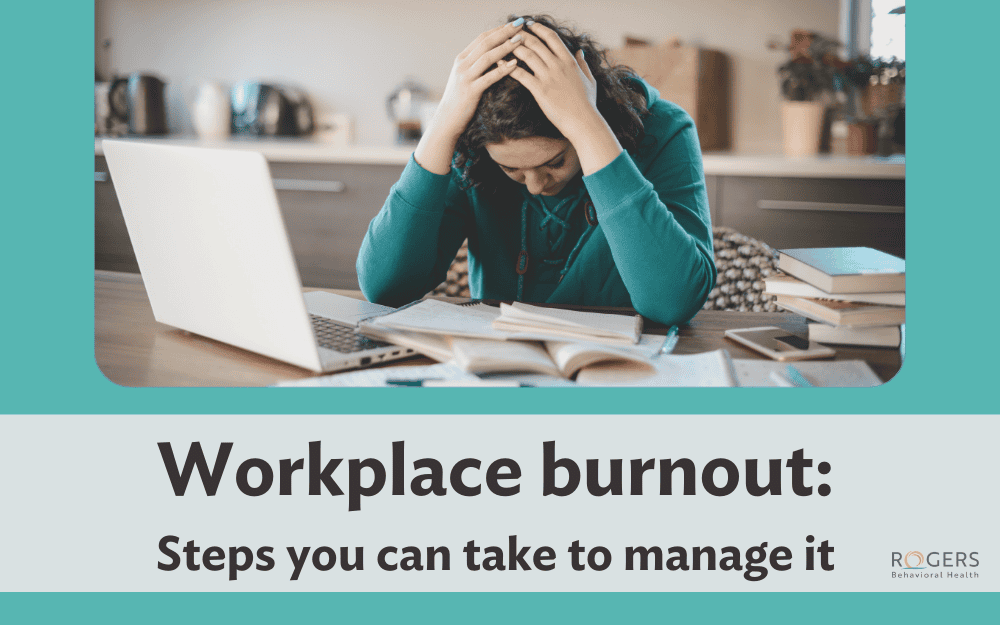
Stress at the workplace has been one of the top problems for experts in all kinds of work to deal with. Providing overwhelming amounts of work, the threat of losing one’s job, and always being online are some reasons that can keep draining the energy and motivation little by little. Chronic, unmanaged stress is the main cause of burnout which is simply the most commonly referred to stage of the process that leads to e (emotional, mental, and physical) exhaustion which in turn can affect both the quality of work and the well-being of the worker. Learning how to overcome workplace stress and burnout is a must for those who want to climb up the career ladder, besides this, it is absolutely necessary for keeping one’s health good and job satisfaction high in the long run. The guide will take you to the origins of stress at work, its signs, and tried-and-true management techniques.
Defining Stress and Burnout in the Workplace
Workplace stress is defined as the situation when the demands of the job surpass an employee’s possibilities of coping. On top of that, occasional stress is not only normal but also can function as a stimulus and productive, however, if the stress is continual and there are no recovering periods it will definitely lead to burnout. Burnout is not only the state of being tired; it comes with:
• Always feeling exhausted
• Lower output and lack of motivation
• Affective detachment from work
• Experiencing cynicism or helplessness
Mental health professionals working in the field of workplace health claim that the process leading to burnout is slow and thus it is easy to disregard until there comes a time when it seriously affects both the employee’s performance and their health.
The Main Factors Behind Workplace Stress
Discovering the main source of stress is the first step in its management. The following are the most common stressors in a workplace:
• Overloaded work with impossible deadlines to finish
• Working long hours without time for rest
• Lack of power or freedom over one’s work
• Poor communication with colleagues or not being clear about what is expected
• Job uncertainty or the fear of losing one’s job
• Work culture that is unhealthy or unsupportive
• Struggle to have a good balance between personal life and work
Making oneself aware of such stressor is a great help for both employees and employers in.
Signs of Burnout You Are Undergoing
Burnout generally presents itself in a gradual manner before becoming unbearable. Look for these signs: • Unending tiredness, despite getting rest
• Dislike of previously liked work
• Headaches, muscle aches, or sleep disturbances are common
• Being moody, uneasy, or changing moods
• Not being able to focus or take decisions
• Job performance going down
If you overlook these symptoms, you might face serious mental health problems, thus seeking help early is very important.
Best Ways to Cope with Stress in the Office
1. Create Strong Work Boundaries
Setting boundaries is one of the greatest ways to decrease stress in the workplace. Some of them are mentioned below:
• Not checking work emails when off duty
• Declining unreasonable requests
• Getting your breaks at scheduled times during the workday
Setting clear limits safeguards your vigor and will help you avoid burnout for a long time.
2. Develop Time Management Skills
Inadequate time management can double your stress level from the source. In order to handle effectively your workload:
• Start with the tasks that are both urgent and important
• Divide major projects into small steps that are easy to manage
• Make use of productivity tools or planners
• Do not multitask; it will only drain your mental energy
Time management of a superior level empowers you to feel in control of your workday again.
3. Employing Stress Management Techniques
Even the most simple stress management techniques can be very effective:
• Deep breathing or meditation
• Short walks during the day
• Stretching or light activity
• Expressing gratitude at the end of the day
These practices not only calm the nervous system but also mitigate the physical effects associated with stress.
4. Maintain a Healthy Work-Life Balance
Burnout is mostly caused by the imbalance between work and personal life. To create a better balance:
• Allocate personal time like work meetings
• Turn off work emails and messages during evenings and weekends
• Engage in hobbies or activities that you like
• Have fun with family and friends
A satisfying life beyond work will make you more resistant to stress coming from the office.
5. Communicate Openly with Your Manager
A lot of workers do not want to bring up the subject of stress to their bosses, yet if the communication is kept open, the outcome can be positive. You might:
• Talk about the problems caused by the current workload
• Ask for the possibility of flexible working hours
• Seek for better guidance or assistance
Most companies do not mind if their employees are open and honest, they would rather solve the problem early than lose their valuable workers due to stress.
6. Focus on Physical and Mental Health
Your physical condition has a direct impact on the stress management at the workplace. Do the following:
• Make it a point to get enough sleep every night
• Include all the different food groups in your daily diet
• Drink plenty of water
• Do regular workouts Moreover, putting your mental health first through counseling, coaching, or journaling can be a great way to develop your resilience against workplace difficulties.
7. Reevaluate Your Career Goals
There are times when the stress you are experiencing is actually a signal that your job no longer corresponds with your values or goals. Consider the following questions:
• Will this position facilitate my long-term career growth?
• Do I find it challenging or I just feel overwhelmed all the time?
• Are the coworkers and the company in general supportive?
If the burnout does not go away, you might want to look for new job offers or switch to a different career that matches your needs better.
Methods How Employers Can Help to Alleviate Workplace Burnout
Organizations are also very important in the prevention of burnout. The actions that employers may take are, for example:
• Flexible work schedules of varying hours
• Mental health awareness promotion
• Giving recognition to employee accomplishments
• Creating a friendly and tolerant workplace culture
A workplace free from stress is to be regarded as a common benefit for both the employees and the organization.
Conclusion
In the modern world that is characterized by rapid changes, it is no longer a choice but a necessity to learn how to manage workplace stress and burnout. By being aware of the early warning signs, drawing lines, using stress management techniques, and balancing work with personal life, one can safeguard his/her mental health and enjoy the success of the career stretched over a long period. Burnout is not the end of the road; it is an indication that there is a need for a change. With the proper methods, backing, and right mindset, one can reclaim control, find the drive again, and form a healthier association with work.